

In the highly competitive food market, packaging plays a crucial role in attracting consumers and ensuring product quality. As a leading Metal Food Packaging supplier, we understand the numerous marketing benefits that metal food packaging offers to food manufacturers and brands. This blog will explore these advantages in detail, highlighting why metal packaging is an excellent choice for marketing food products.
Product Protection and Shelf Life Extension
One of the primary marketing benefits of metal food packaging is its exceptional ability to protect the food inside. Metal, whether it's aluminum or tinplate, creates a robust barrier against external elements such as light, oxygen, moisture, and microorganisms. This protection is vital for maintaining the freshness, flavor, and nutritional value of the food for an extended period.
For instance, Canned Food Packaging provides an airtight and lightproof environment, making it ideal for preserving fruits, vegetables, meats, and soups. The hermetic seal of metal cans prevents the entry of oxygen, which can cause oxidation and spoilage. As a result, canned foods can have a shelf life of up to several years without the need for refrigeration. This long shelf life is a significant marketing advantage as it allows retailers to stock products for longer periods and consumers to purchase and store food with confidence.
Brand Visibility and Design Flexibility
Metal food packaging offers unparalleled opportunities for brand visibility and creative design. The smooth surface of Lithographed Tinplate provides an excellent canvas for high - quality printing. Brands can use vivid colors, detailed graphics, and clear branding elements to make their products stand out on the crowded supermarket shelves.
Compared to other packaging materials, metal can withstand the rigors of high - resolution printing processes, ensuring that the brand's message, logo, and product information are displayed with utmost clarity and vibrancy. The durability of the printing on metal also means that the packaging retains its visual appeal throughout the product's shelf life. This high - quality packaging can create a strong brand image in the minds of consumers and increase brand recognition.
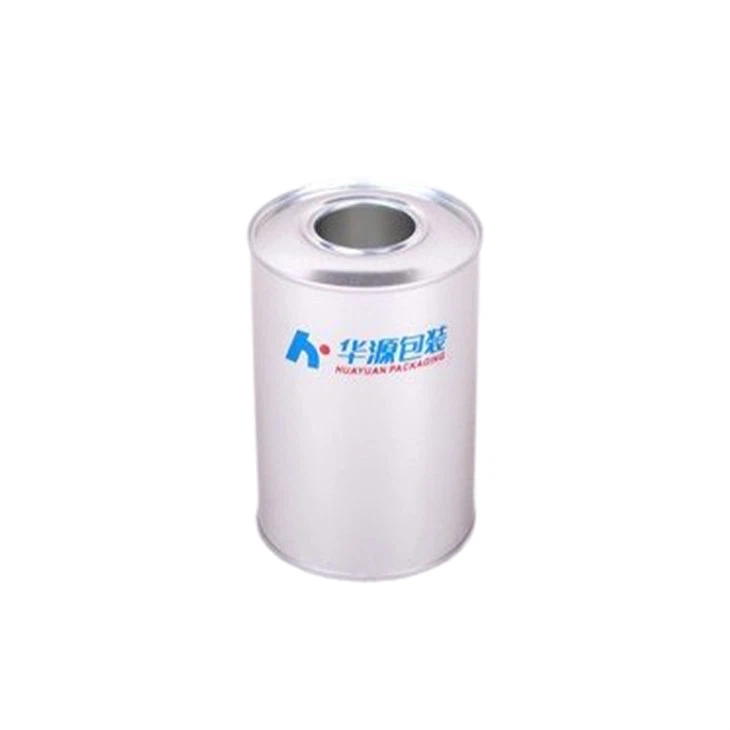
In addition, metal packaging can be shaped into various forms, including cans, tins, and containers. This design flexibility allows brands to create unique and eye - catching packaging that differentiates their products from competitors. For example, a brand might choose to use a custom - shaped Metal Food Container for a new line of gourmet snacks, making it instantly recognizable to consumers.

Perceived Quality and Premium Image
Consumers often associate metal food packaging with high quality and premium products. The solid and durable nature of metal gives the impression that the food inside is well - protected and of superior quality. This perception can justify a higher price point for the product, allowing brands to increase their profit margins.
For upmarket food products such as specialty jams, premium chocolates, or artisanal coffee, metal packaging can enhance the perceived value of the product. The shiny and elegant appearance of metal tins creates a sense of luxury and exclusivity, making it an attractive option for consumers looking for high - end food items. By using metal packaging, brands can communicate their commitment to quality and craftsmanship, which can help build a loyal customer base.
Environmental Sustainability
In today's environmentally conscious market, consumers are increasingly looking for sustainable packaging options. Metal food packaging is highly recyclable, which is a significant marketing advantage. Metals, especially aluminum and steel, can be recycled indefinitely without losing their quality or properties.
Recycling metal packaging consumes less energy compared to producing new metal from raw materials. This makes metal packaging a more sustainable choice for food companies. By using metal packaging, brands can appeal to eco - friendly consumers and position themselves as environmentally responsible. This can enhance the brand's reputation and attract a growing segment of the market that values sustainability.
Convenience and Portability
Metal food packaging is also known for its convenience and portability. Cans and metal containers are lightweight, easy to open, and resealable in some cases. This makes them ideal for on - the - go consumption, which is becoming increasingly popular among consumers.
For example, canned energy drinks or ready - to - eat meals in metal containers are convenient options for people with busy lifestyles. The strong and durable nature of metal packaging also means that it can withstand rough handling during transportation and storage, reducing the risk of product damage. This convenience and durability can lead to increased consumer satisfaction and repeat purchases.
Compatibility with Different Food Types
Metal food packaging is compatible with a wide range of food products, including acidic foods, oily foods, and high - moisture foods. Unlike some other packaging materials, metal does not react with the food inside, ensuring that the taste and quality of the food are not affected.
For example, aluminum cans are commonly used for carbonated beverages and fruit juices because they are resistant to corrosion from acidic substances. Tinplate cans are suitable for storing a variety of foods, from canned fruits and vegetables to canned meats. This versatility allows food manufacturers to use a single packaging material for multiple product lines, simplifying their packaging processes and reducing costs.
Marketing Through Traceability and Safety
In recent years, consumers have become more concerned about food safety and traceability. Metal food packaging can support these concerns through advanced manufacturing and labeling techniques. Manufacturers can use technologies such as QR codes or barcodes on metal packaging to provide consumers with detailed information about the product's origin, ingredients, production process, and expiration date.
This transparency can build trust between the brand and the consumer. It also allows brands to communicate their commitment to food safety and quality control. For example, a brand can use the traceability feature on its metal - packaged products to show that its food is sourced from sustainable farms and produced in hygienic facilities.
Encouraging Direct Contact for Purchase and Collaboration
As a Metal Food Packaging supplier, we are dedicated to providing high - quality, innovative, and sustainable packaging solutions for food manufacturers and brands. The marketing benefits of using metal food packaging are numerous, from product protection and brand visibility to environmental sustainability and consumer convenience.
If you are a food manufacturer looking to enhance your product's marketability, we invite you to contact us to discuss your packaging needs. Our team of experts will work closely with you to design and produce customized metal food packaging that meets your specific requirements and helps your brand stand out in the market. Whether you need standard Canned Food Packaging, Lithographed Tinplate containers, or unique Metal Food Container designs, we have the capabilities and expertise to deliver.
Let's collaborate to create packaging that not only protects your food but also drives sales and builds a strong brand image. Get in touch with us today to start exploring the possibilities of metal food packaging.
References
- Smith, J., & Johnson, A. (2020). The Impact of Packaging Design on Consumer Perception of Food Quality. Journal of Food Marketing, 15(2), 78 - 92.
- Green, K., & Brown, B. (2019). Sustainability in Food Packaging: A Review of Current Trends. International Journal of Packaging Science, 22(3), 123 - 136.
- Miller, C., & Davis, D. (2018). The Role of Packaging in Food Protection and Shelf Life Extension. Food Science and Technology Quarterly, 30(4), 201 - 215.