

In recent years, the wearable device market has witnessed exponential growth, driven by technological advancements and increasing consumer demand for health - monitoring, fitness tracking, and convenient communication tools. As a supplier of Metal PT Caps, I've been pondering a significant question: Can Metal PT Caps be used in wearable devices? In this blog, we'll delve into the characteristics of Metal PT Caps, explore the requirements of wearable devices, and assess the feasibility of this application.
Understanding Metal PT Caps
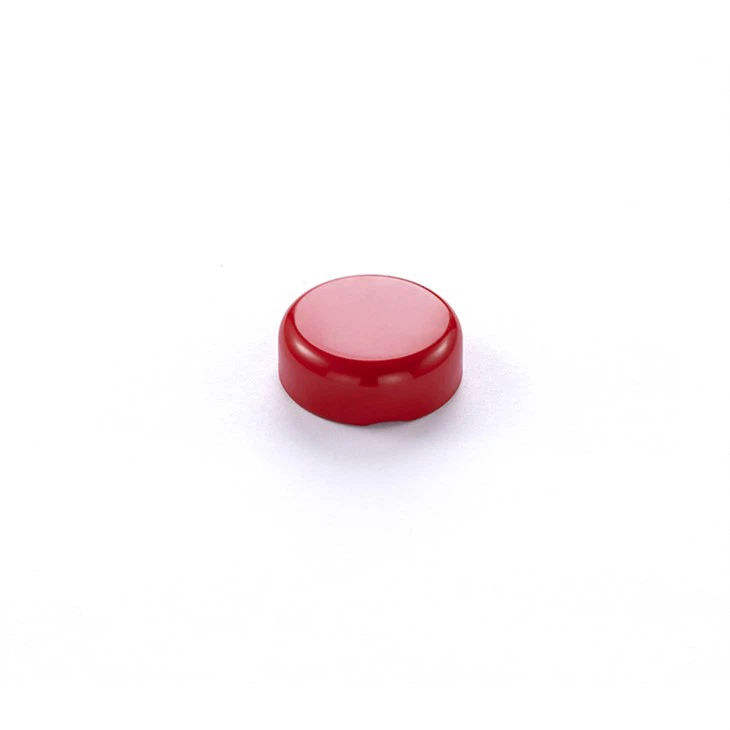
Metal PT Caps, also known as press - on twist - off caps, are a type of metal closure commonly used in various industries, especially in food packaging. Press on Twist - off Cap provides a reliable seal for bottles and containers, preventing leakage and maintaining product freshness. They are typically made from materials like tinplate or aluminum, which offer excellent durability, corrosion resistance, and formability.
The design of Metal PT Caps allows for easy application and removal. They can be pressed onto the container opening and then twisted off when needed. This feature makes them a popular choice for products that require frequent access, such as beverages and condiments. Additionally, Metal PT Caps can be customized in terms of size, shape, color, and printing, enabling brands to enhance their product's visual appeal.
Requirements of Wearable Devices
Wearable devices come in various forms, including smartwatches, fitness trackers, smart glasses, and health monitors. These devices have several key requirements that need to be met for successful operation:
Lightweight and Comfortable
Since wearable devices are meant to be worn on the body for extended periods, they need to be lightweight and comfortable. Heavy or bulky components can cause discomfort and even discourage users from wearing the device regularly.
Durable and Reliable
Wearable devices are exposed to various environmental conditions, such as moisture, dust, and mechanical stress. They must be durable enough to withstand these conditions and function reliably over time.
Aesthetically Pleasing
In addition to functionality, the appearance of wearable devices is also important. Consumers often choose devices that match their personal style and preferences. Therefore, the components used in wearable devices should be able to contribute to an attractive design.
Power - Efficient
Most wearable devices are battery - powered, so power efficiency is crucial. Components that consume excessive power can significantly reduce the device's battery life, which is a major drawback for users.
Assessing the Feasibility of Using Metal PT Caps in Wearable Devices
Now, let's analyze whether Metal PT Caps can meet the requirements of wearable devices:
Lightweight
One of the potential challenges of using Metal PT Caps in wearable devices is their weight. Metal, by nature, is denser than many other materials commonly used in wearable devices, such as plastics and ceramics. However, advancements in material science have made it possible to produce thinner and lighter metal components. For example, aluminum alloys are known for their relatively low density and high strength - to - weight ratio. By using thin - walled aluminum Metal PT Caps, it may be possible to reduce the overall weight of the device to an acceptable level.
Durability
Metal PT Caps are inherently durable due to the properties of the metal materials they are made from. They can resist scratches, impacts, and corrosion, which are important characteristics for wearable devices that are likely to be exposed to rough handling and harsh environments. For instance, in a fitness tracker that is used during intense workouts or outdoor activities, a Metal PT Cap can provide a reliable enclosure for internal components, protecting them from damage.
Aesthetics
Metal PT Caps offer a high - end and sophisticated look that can enhance the aesthetic appeal of wearable devices. The smooth surface of metal can be polished to a mirror - like finish or textured for a more tactile feel. Moreover, as mentioned earlier, Metal PT Caps can be customized with different colors and printing, allowing for unique and eye - catching designs. This can be particularly appealing for high - end smartwatches or fashion - oriented wearable devices.
Power - Efficiency
Metal PT Caps themselves do not consume power. However, if they are used as part of a mechanism that involves moving parts or electrical connections, the power consumption of these additional components needs to be considered. For example, if a Metal PT Cap is used in a smartwatch as a cover for a replaceable battery compartment, the design should ensure that the opening and closing mechanism does not draw excessive power.
Potential Applications of Metal PT Caps in Wearable Devices
Battery Compartments
One of the most obvious applications of Metal PT Caps in wearable devices is for battery compartments. A Metal PT Cap can provide a secure and easy - to - open enclosure for the battery, protecting it from dust and moisture while allowing users to replace the battery when needed. The twist - off feature of Metal PT Caps makes it convenient for users to access the battery without the need for special tools.
Sensor Enclosures
Wearable devices often incorporate various sensors, such as heart rate monitors, accelerometers, and gyroscopes. These sensors need to be protected from external interference and environmental factors. Metal PT Caps can be used to enclose these sensors, providing a shield against electromagnetic interference and physical damage.
Decorative Elements
As mentioned earlier, Metal PT Caps can be used as decorative elements to enhance the appearance of wearable devices. They can be integrated into the design of a smartwatch band or used as a unique accent on a fitness tracker.
Challenges and Considerations
While there are potential benefits to using Metal PT Caps in wearable devices, there are also some challenges and considerations that need to be addressed:
Cost
Metal components are generally more expensive than plastic or ceramic components. The cost of manufacturing Metal PT Caps, especially those with customized designs, can be relatively high. This may increase the overall cost of the wearable device, which could be a deterrent for price - sensitive consumers.
Biocompatibility
Since wearable devices are in direct contact with the skin, the materials used in them need to be biocompatible. Some metals may cause skin allergies or irritation in certain individuals. Therefore, it is essential to ensure that the Metal PT Caps used in wearable devices are made from biocompatible materials or coated with a biocompatible layer.

Integration with Other Components
Integrating Metal PT Caps into the design of a wearable device requires careful consideration of how they will interact with other components. For example, the size and shape of the Metal PT Cap need to be compatible with the device's housing, and the opening and closing mechanism need to be designed to work smoothly with the internal components.
Conclusion
In conclusion, Metal PT Caps have the potential to be used in wearable devices. Their durability, aesthetic appeal, and ease of use make them an attractive option for certain applications, such as battery compartments and sensor enclosures. However, challenges such as weight, cost, biocompatibility, and integration need to be carefully addressed.
As a supplier of Metal PT Caps, I believe that with further research and development, we can overcome these challenges and find innovative ways to incorporate Metal PT Caps into the wearable device market. If you are interested in exploring the use of Metal PT Caps in your wearable device projects, I encourage you to reach out to me for more information and to discuss potential solutions. Together, we can work towards creating high - quality, functional, and stylish wearable devices.
References
- "Materials Science for Wearable Devices" - A comprehensive textbook on materials used in wearable technology.
- Industry reports on the wearable device market trends and consumer preferences.
- Technical specifications and research papers on Metal PT Caps and their manufacturing processes.